Staging Your Hampton Home For Standout Listing Photos
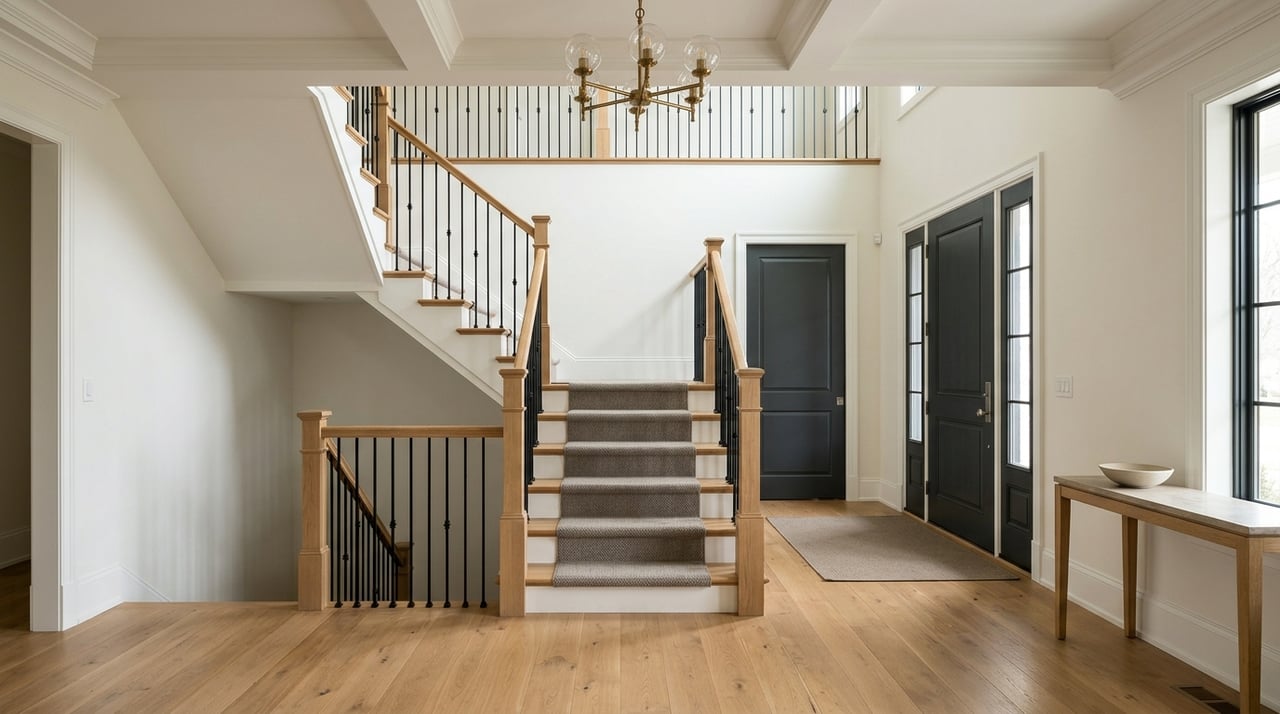
Wondering why some Hampton Township listings look polished, spacious, and memorable online while others feel flat before buyers ever step through the door? In a market filled with established detached homes, your listing photos often shape that crucial first impression. With the right staging strategy, you can help your home feel brighter, more open, and easier for buyers to imagine as their own. Let’s dive in.
For many buyers, photos are one of the first filters they use when deciding which homes deserve a closer look. According to the National Association of Realtors 2025 Profile of Home Staging, 73% of buyers’ agents said listing photos were very important or more important to their clients.
That same report found that 83% of buyers’ agents said staging made it easier for buyers to visualize a property as a future home. Nearly half of sellers’ agents also said staging reduced time on market, and 29% reported a 1% to 10% increase in the dollar value offered. In short, thoughtful staging can support stronger photos and a stronger market debut.
Staging is not about making your home look generic or lifeless. It means cleaning, decluttering, repairing, depersonalizing, and making small updates so the home reads clearly in photos and feels easy to picture living in.
In Hampton Township, that approach matters because much of the housing stock consists of owner-occupied detached homes. With many sellers preparing well-lived-in family homes, the goal is usually not ultra-minimal styling. Instead, the goal is to create rooms that feel open, calm, bright, and functional.
If you do not want to stage every room to the same level, start with the spaces that tend to carry the most weight. NAR reports that buyers’ agents rank the living room as the most important room to stage, followed by the primary bedroom and kitchen.
That means your effort should go first to the rooms that shape the story of daily life. If those spaces feel clean, balanced, and inviting in photos, your listing will usually make a stronger impression online.
The living room often anchors the photo set. Remove extra side tables, oversized recliners, stacks of magazines, and anything that interrupts sightlines across the room.
Aim for a layout that feels conversational and open. Keep decor simple, add a few warm accents, and let natural light do as much work as possible.
Your primary bedroom should feel restful, not crowded. Clear dressers and nightstands, store away personal items, and use bedding that looks crisp and neutral.
A bedroom photo works best when buyers can read the size of the room quickly. That usually means less furniture, fewer patterns, and a calm color palette.
Kitchens photograph best when counters are mostly clear. Leave only a few intentional items, such as a bowl of fruit or a small plant, if they add warmth without clutter.
Hide dish soap, paper towels, magnets, pet bowls, and countertop appliances you do not use daily. Clean surfaces, even lighting, and clear work areas help the kitchen feel updated and usable.
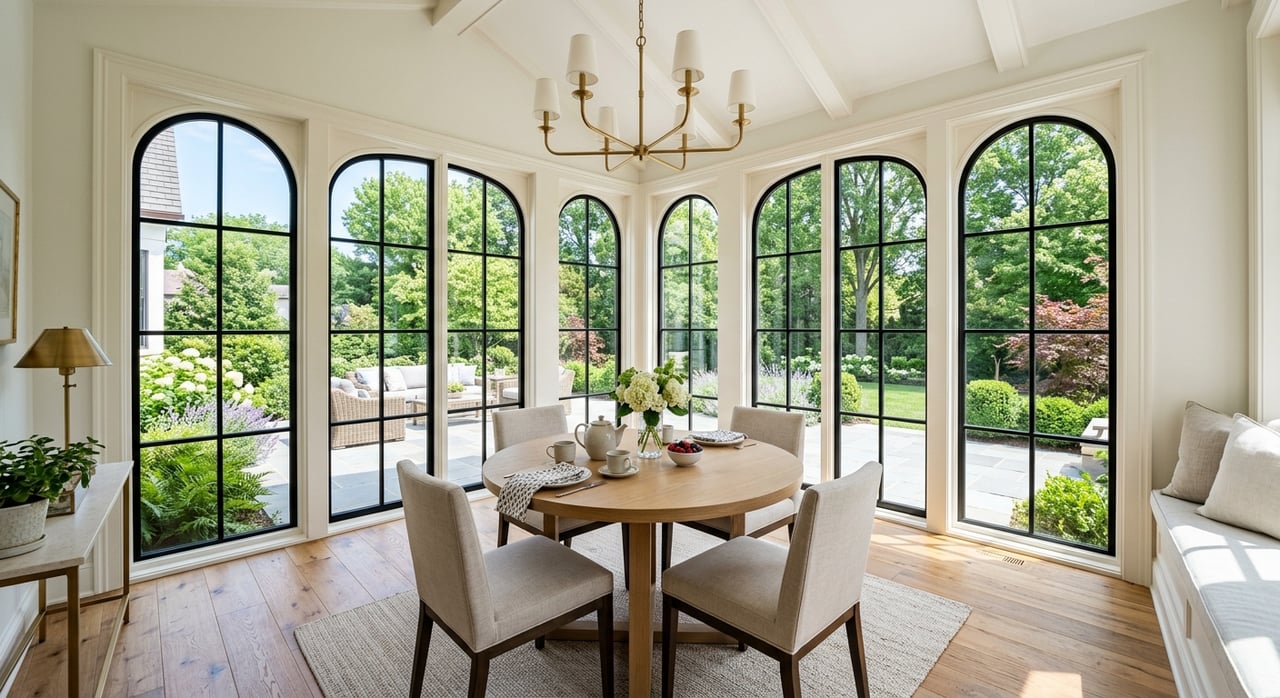
Hampton Township has a mix of home styles, and staging works best when it supports the architecture instead of fighting it. The right choices can help photos feel more cohesive and polished.
Split-levels can feel visually busy in photos if each level has a different style or too much furniture. Keep stair landings clear, remove anything that blocks movement, and carry a consistent color story from one level to the next.
This helps the home feel connected rather than chopped up. In photos, that visual flow makes the layout easier to understand.
Colonials often benefit from a more symmetrical, orderly presentation. Keep the foyer, staircase, dining room, and formal living spaces simple so architectural details can stand out.
Balanced lighting and restrained decor usually work well here. You want buyers to notice the proportions of the home, not the accessories.
Bigger homes can lose impact if rooms feel either empty or overfilled. Use furniture that fits the scale of the room, define the purpose of each area, and leave enough open space to show the room’s size.
A sitting room should read as a sitting room, and a home office should read as a home office. Clear room purpose helps buyers understand how the home lives.
One common staging mistake is removing so much personality that the home feels cold. Neutral is helpful, but sterile is not.
A few warm touches can make a big difference. Think fresh towels, simple greenery, soft textures, and lighting that feels even and welcoming. The goal is a clean backdrop with just enough warmth to feel lived in, without feeling personal.
Decluttering for showings and decluttering for photography are closely related, but photography is less forgiving. Cameras pick up visual noise quickly, especially on counters, shelves, stairs, and open surfaces.
Before photo day, look at each room as if you are seeing it in a wide-angle image. If your eye lands on cords, bins, toys, pet items, paperwork, or too many small objects, those items will likely stand out in the final photos too.
Minor issues can distract from otherwise strong listing photos. NAR’s staging guidance consistently points to small repairs as part of effective prep.
Walk through your home and look for the easy fixes. Burned-out bulbs, chipped paint, loose hardware, scuffed walls, and crooked blinds may seem minor in person, but they can pull attention in photos.
Outdoor living matters in Hampton Township. The township’s long-established community setting, Community Park, and Rachel Carson Trail all support a lifestyle where decks, patios, backyards, and usable outdoor areas can add to a home’s appeal.
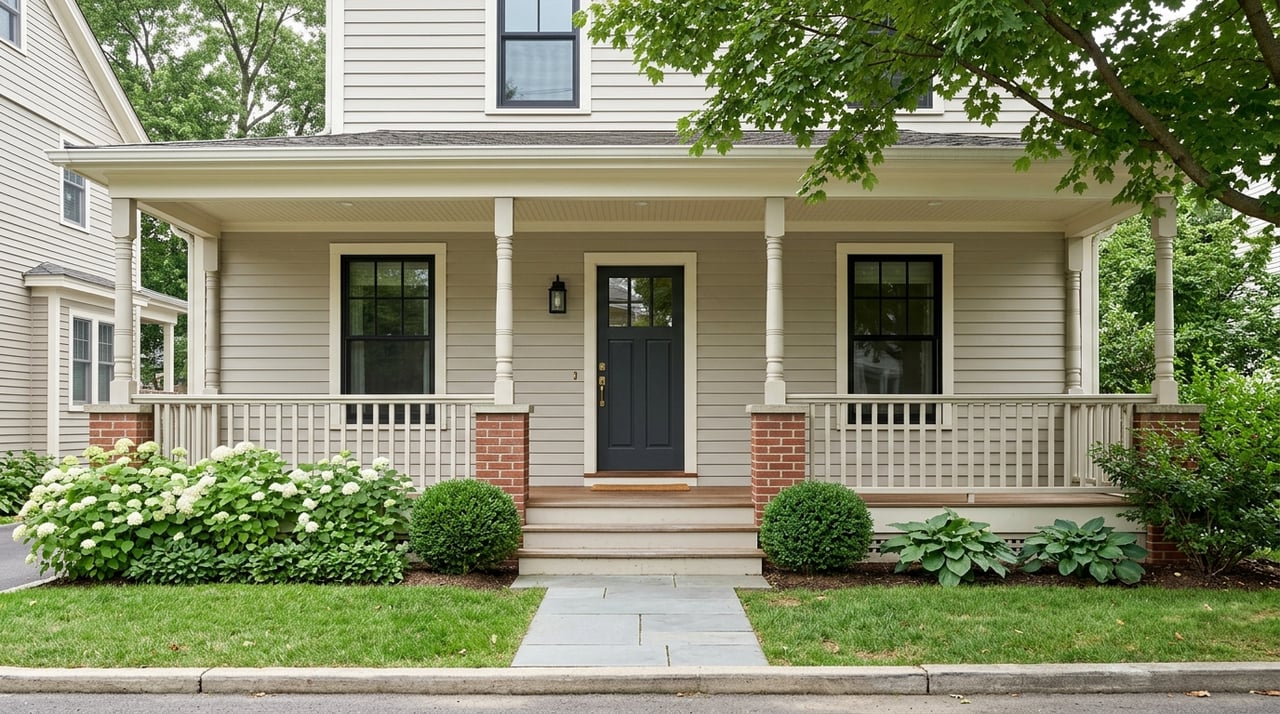
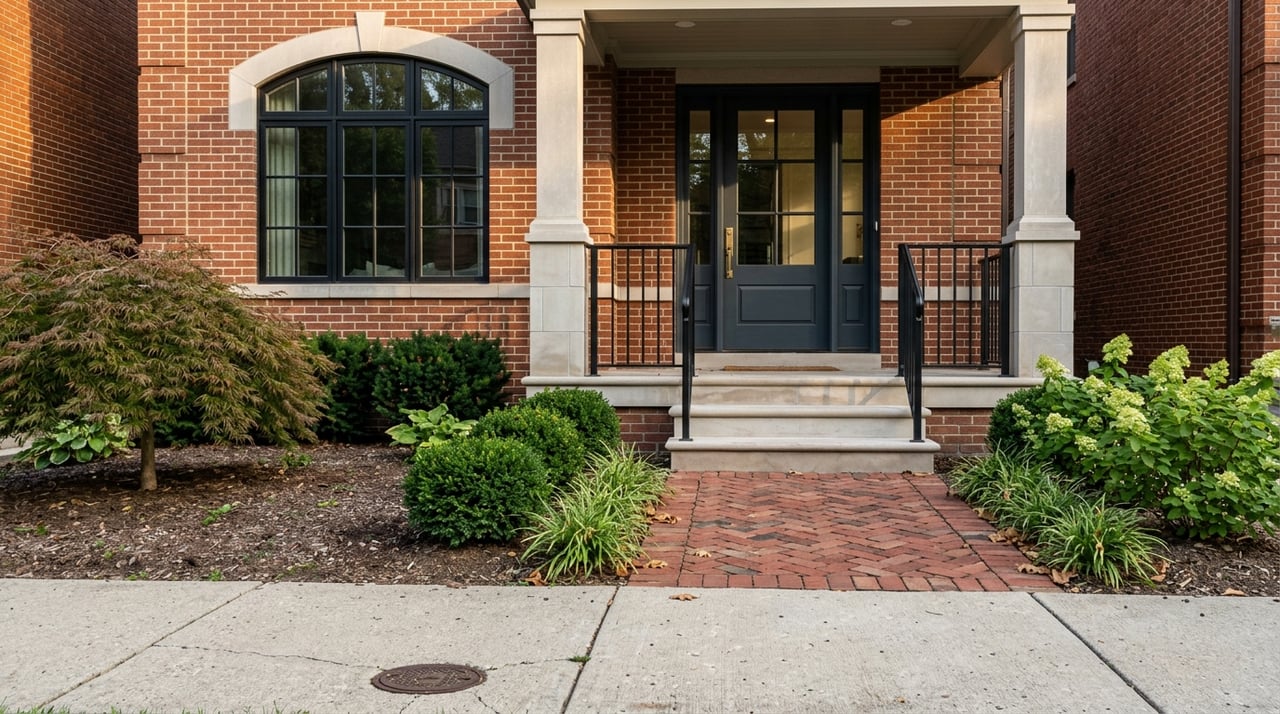
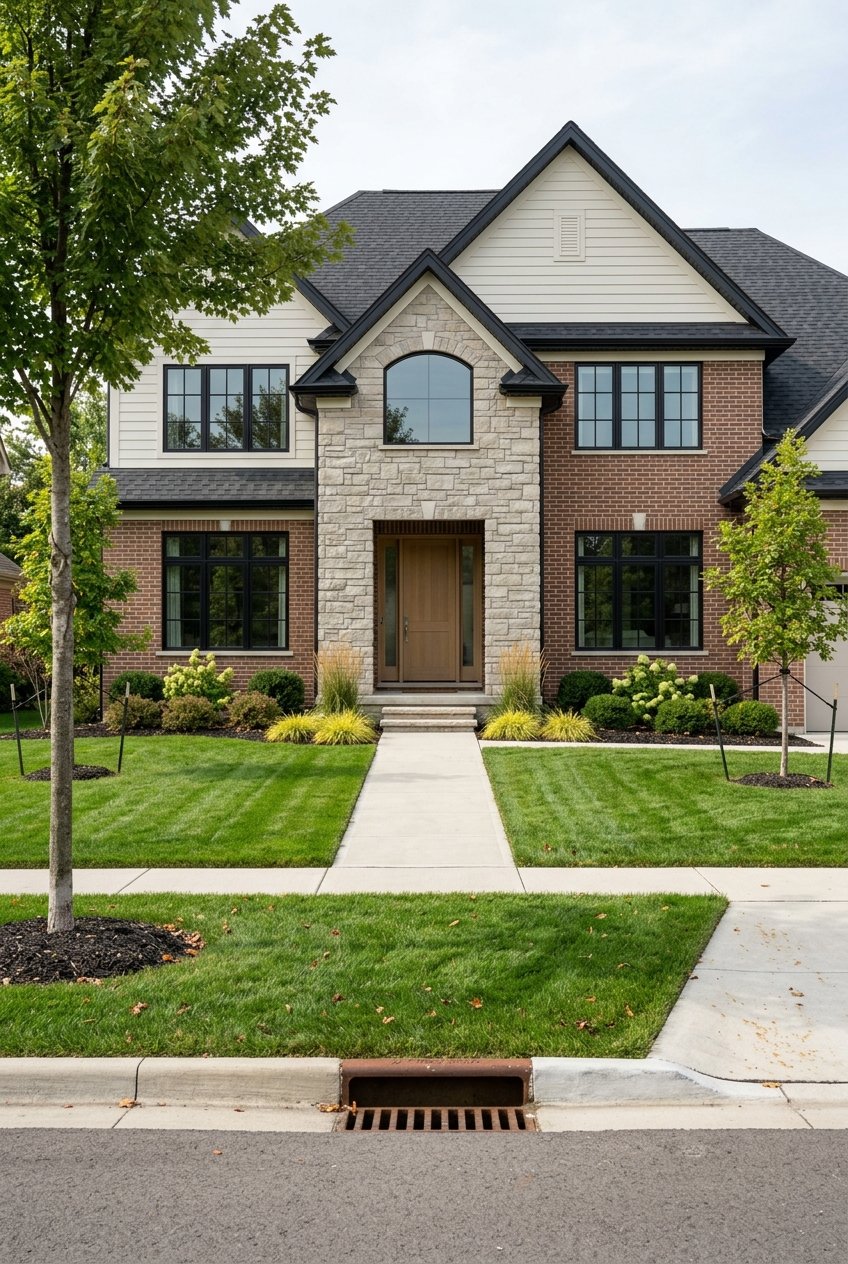
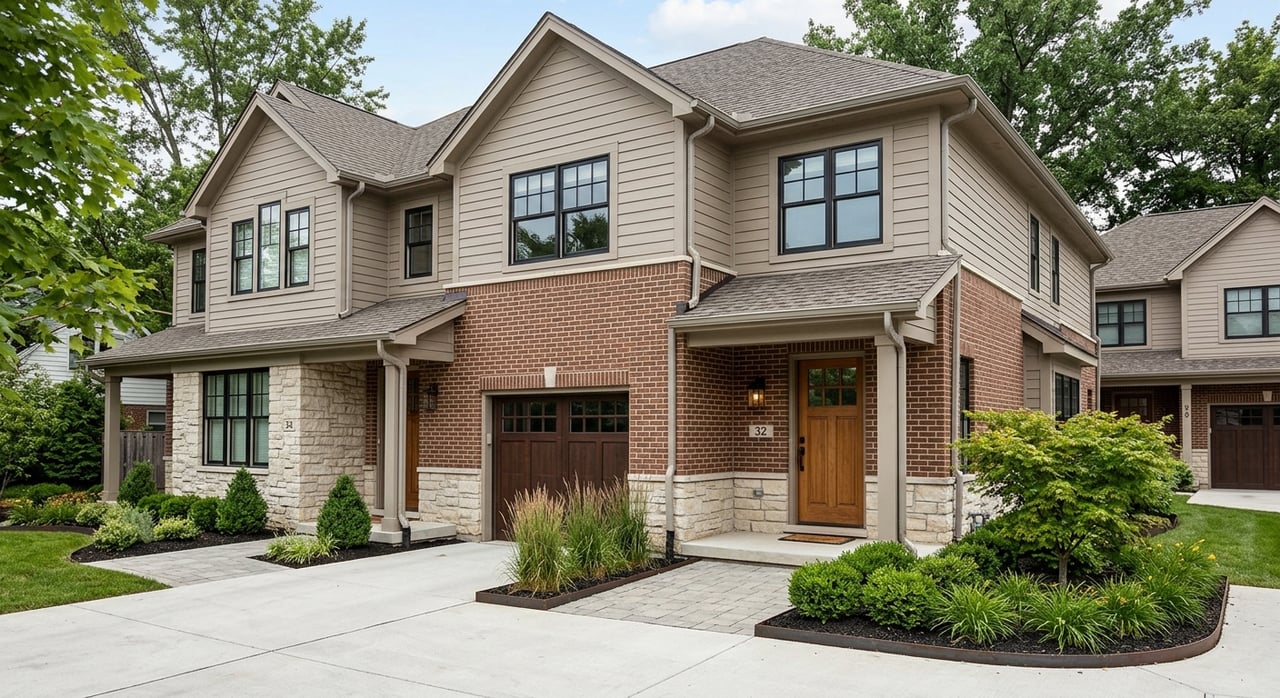
That makes exterior presentation especially important. Your front entry, porch, yard, and backyard living areas should feel as intentional as the interior.
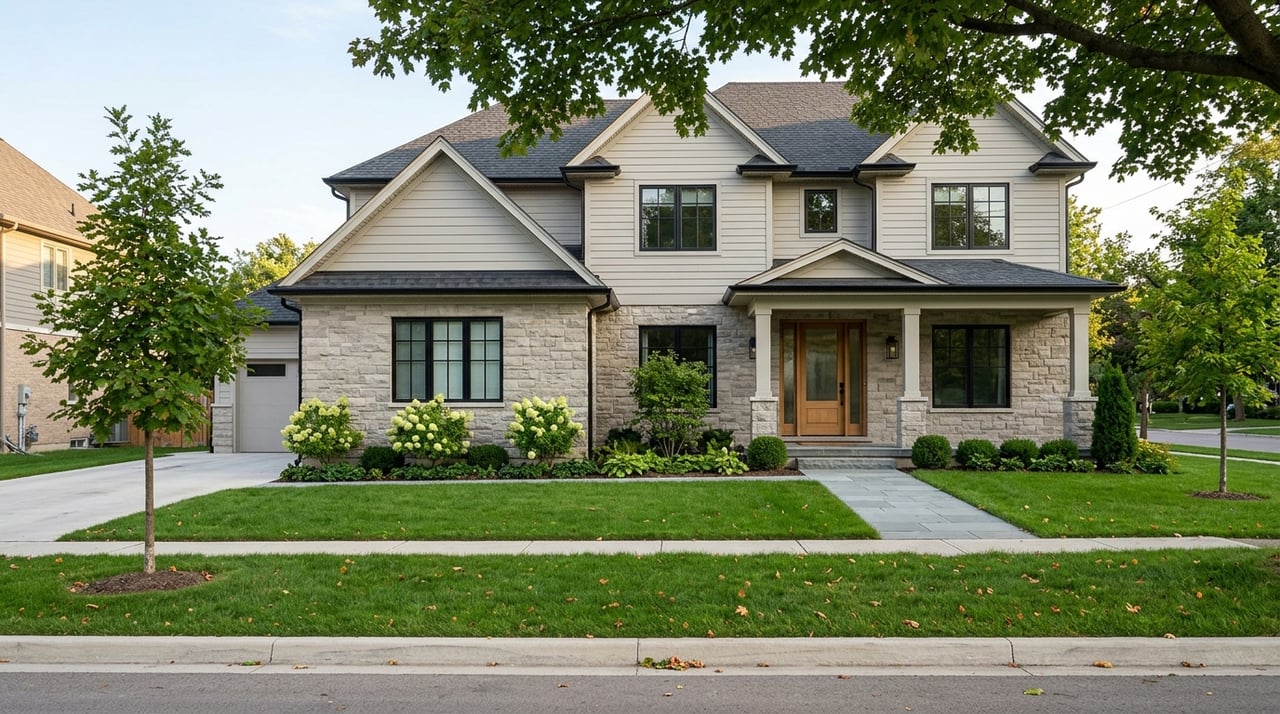
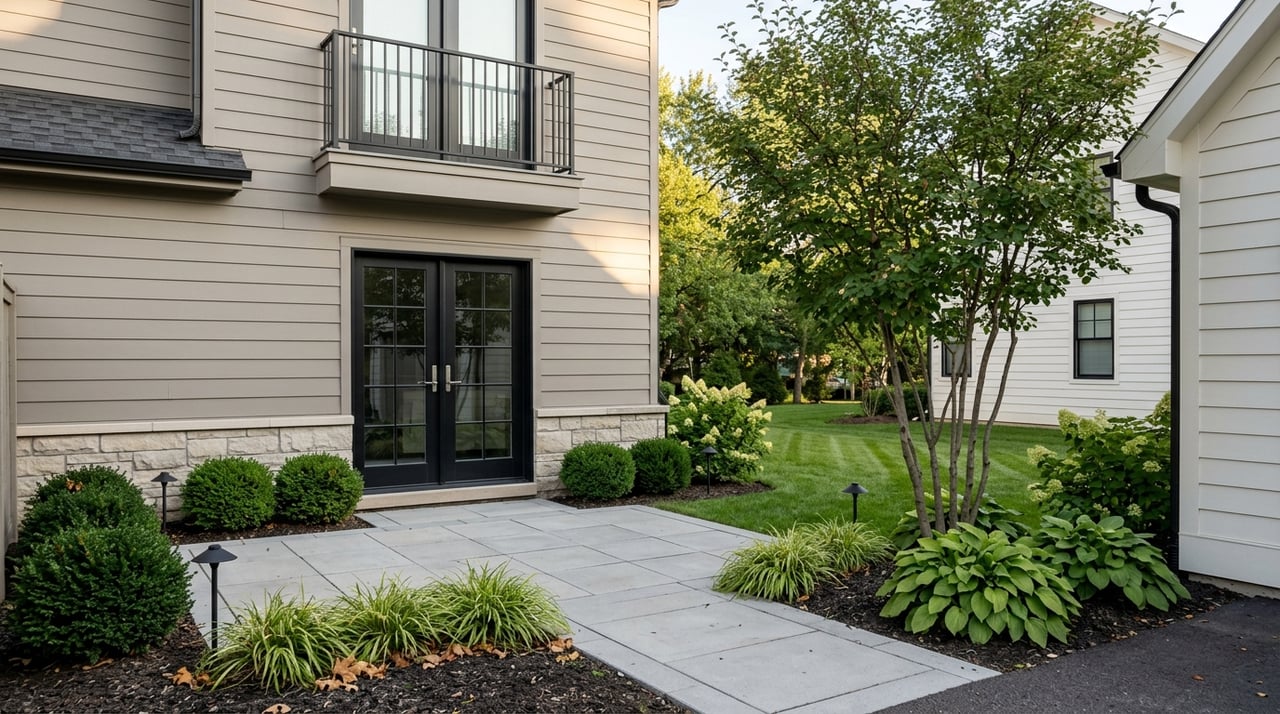
Exterior photos benefit from a full cleanup before the camera comes out. Move cars out of the driveway, put away garbage bins, mow the lawn, trim hedges, and hide hoses, toys, and sports gear.
If you have a patio, deck, or outdoor dining space, stage it simply. A tidy table and a few neatly arranged chairs can help buyers see how the space functions.
In many Hampton homes, the yard is part of the value story. Buyers are not only looking at square footage inside. They are also noticing whether the outdoor areas feel maintained, accessible, and ready to enjoy.
A swept walkway, clean front steps, and a backyard that looks usable can strengthen the full photo package. These details help the property feel complete.
The final hours before photography matter. Even a well-staged home can fall short if everyday items creep back into view.
Try to treat photo day like a polished preview of your listing launch. You want every room to feel bright, calm, and easy to understand at a glance.
If you are short on time, focus on the changes that have the most visual impact. Start with cleaning, decluttering, and the three priority rooms: living room, primary bedroom, and kitchen.
Then move to minor repairs, lighting, and exterior cleanup. Those steps usually give you the clearest return when the goal is standout listing photos.
Great listing photos rarely happen by accident. They come from a thoughtful plan that considers how buyers browse, how rooms read on camera, and what makes a Hampton Township home feel inviting and well cared for.
When your home is presented with care, the photos can do more than document the property. They can create momentum, set the tone for buyer interest, and support a more confident market entry. If you are preparing to sell in Hampton Township, Michelle Bushee can help you create a tailored, high-touch plan for presentation, photography, and launch.
Recognized as talented negotiators and trusted advocates for their clients, our team provides comprehensive real estate assistance for buyers and sellers in Pittsburgh and the surrounding areas.