Lifestyle Guide To Bloomfield, Garfield And Friendship Homes
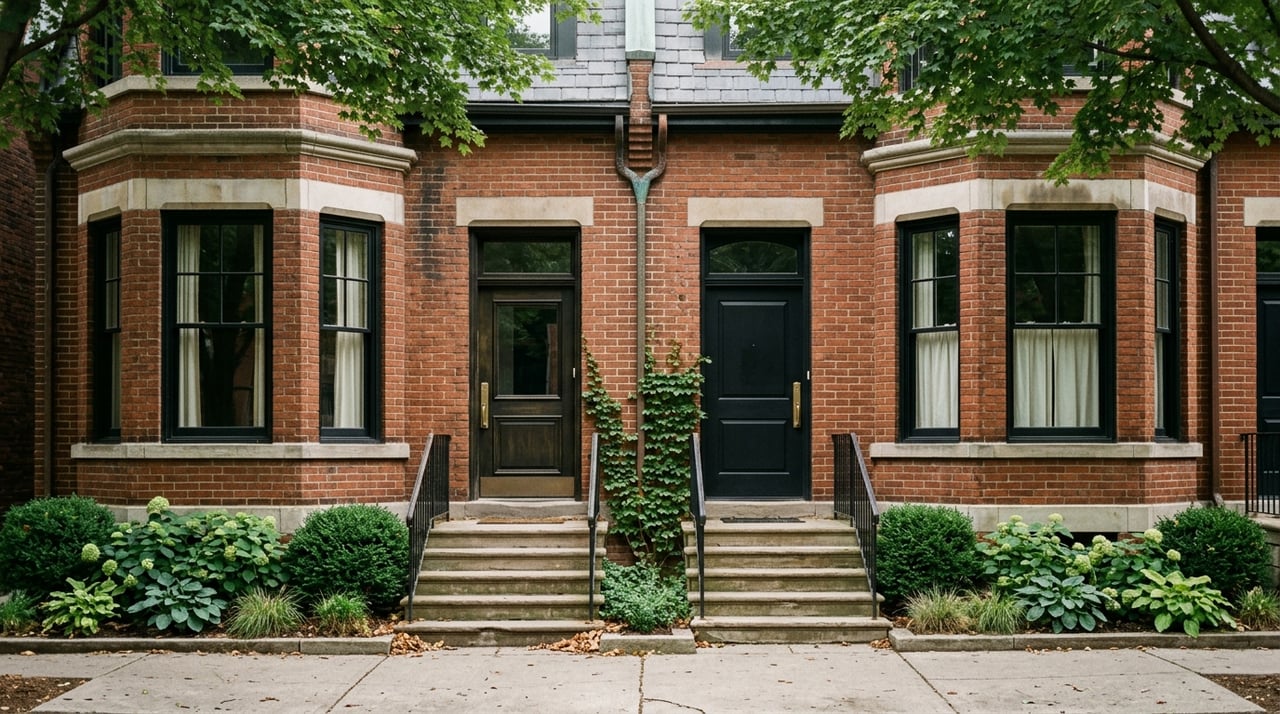
Choosing between Garfield, Bloomfield, and Friendship can feel harder than it looks on a map. These East End neighborhoods sit close together, but each offers a different pace, housing style, and daily routine. If you want to understand how life actually feels from block to block, this guide will help you compare the essentials and spot the best fit for your goals. Let’s dive in.
Garfield, Bloomfield, and Friendship work more like a connected corridor than three isolated places. Penn Avenue acts as a commercial link between Garfield, Friendship, Bloomfield, and nearby Lawrenceville, while Bloomfield’s main rhythm is more closely tied to Liberty Avenue.
That layout helps explain why the neighborhoods feel distinct even when they are only minutes apart. Garfield tends to center more of its energy along Penn Avenue, Bloomfield is strongly shaped by Liberty Avenue’s business district, and Friendship feels more residential while staying well connected to nearby shops and restaurants.
The biggest difference for most buyers is not distance. It is how you spend an ordinary Tuesday, where you grab coffee or dinner, how easy errands feel, and what kind of streetscape surrounds you when you get home.
A helpful way to think about the area is this: Garfield feels the most arts-forward and visibly in transition, Bloomfield feels the most convenience-driven and food-focused, and Friendship feels the most residential and architecture-led. Those are not hard borders, but they are a useful guide when you start narrowing your search.
Garfield is known for its arts identity, especially along the Penn Avenue Arts & Commercial District. Visit Pittsburgh describes the neighborhood as a hub for contemporary art and independent makers, which gives the area a distinctly creative feel.
One of Garfield’s defining traditions is Unblurred First Fridays. Held on the first Friday of every month along the 4800 to 5500 blocks of Penn Avenue, it brings galleries, studios, and local businesses into one recurring neighborhood event.
That arts presence is not separate from daily life. In Garfield, restaurants, makers, and commercial spaces tend to reinforce the neighborhood’s active street energy.
Garfield’s food scene reflects that same independent spirit. Visit Pittsburgh highlights places such as Apteka, Fish Nor Fowl, Two Frays Brewery, People’s Indian Restaurant, Tram’s Kitchen, and Spak Brothers as part of the broader Penn Avenue experience.
For buyers who want a neighborhood with a strong local identity, Garfield often stands out. It can appeal to people who enjoy being close to gallery events, creative businesses, and a commercial corridor that continues to evolve.
Garfield has a mixed housing profile, with the City of Pittsburgh snapshot showing 44.7% owner-occupied housing and 55.3% renter-occupied housing. The neighborhood also has a steep topography, with Penn Avenue at the bottom and residential streets climbing above it.
That terrain creates a stair-stepped, block-by-block feel that can make one part of Garfield feel very different from another. The Bloomfield-Garfield Corporation also notes decades of housing renovation and development activity in Garfield and Bloomfield, which adds to Garfield’s sense of change and reinvestment.
Garfield includes a notable mix of parks and community-led green spaces. City sources list Fort Pitt Park, Nelson Mandela Peace Park, Garfield Commons Park, Kite Hill Park, Garfield Community Farm, Healcrest Urban Farm, and Kincaid Street Garden.
That variety adds another layer to daily life here. Even with its commercial and arts identity, Garfield also offers places for outdoor time, neighborhood gathering, and community gardening.
Bloomfield is often the easiest of the three neighborhoods to picture in day-to-day terms. The City of Pittsburgh describes it as having one of the city’s largest and most active business districts along Liberty Avenue, with heritage shops, groceries, restaurants, and other practical stops.
If your lifestyle depends on easy errands and a steady neighborhood rhythm, Bloomfield may feel especially comfortable. It has a strong main-street presence that supports both quick tasks and leisurely weekends.
Visit Pittsburgh frames Bloomfield as Pittsburgh’s Little Italy and points to its long-standing local food culture. Dining highlights include Tessaro’s, Thai Gourmet, Paddy Cake Bakery, Fet Fisk, Caliente Pizza & Draft House, and Trace Brewing.
The Bloomfield Saturday Market adds another layer of convenience and neighborhood activity. Located at 5050 Liberty Avenue, it features locally grown and produced goods and operates in both summer and winter formats.
Bloomfield’s housing pattern feels denser and more established. The Bloomfield Development Corporation describes compact row houses along Liberty Avenue, with Victorian homes a few blocks away on tree-lined streets.
The city snapshot shows 32% owner-occupied housing and 68% renter-occupied housing. City Council materials also note that many homes are passed down through generations, which supports Bloomfield’s reputation as a neighborhood with longstanding roots and a durable sense of place.
Bloomfield includes several smaller public spaces, including Friendship Parklet, Bloomfield Park, Osceola Parklet, and Morrow Park. These spaces support the neighborhood’s walkable, everyday feel.
City materials also note bike-share access in the area. For many residents, that strengthens Bloomfield’s appeal as a place where errands, dining, and weekend outings can often happen without a long drive.
Friendship offers a different kind of appeal. The City of Pittsburgh describes it as a central, vibrant residential neighborhood with beautiful Victorian homes and easy access to the restaurants and shops of Penn and Liberty avenues.
Rather than centering on a long commercial strip of its own, Friendship is more about living in a residential setting while staying close to surrounding amenities. That balance can be appealing if you want architecture and neighborhood character at home, with dining and shopping nearby.
Among these three neighborhoods, Friendship is the strongest choice for buyers drawn to historic homes and architectural detail. The Friendship Community Group describes an eclectic mix of Victorian, Edwardian, and Arts & Crafts homes, while the city snapshot highlights its large Victorian houses.
The neighborhood’s house-tour tradition reinforces how central architecture is to its identity. If the home itself is a major part of your lifestyle priorities, Friendship deserves a close look.
The city snapshot shows Friendship with 9.7% owner-occupied housing and 90.3% renter-occupied housing. City district information adds useful context, noting that the area includes both short-term student renters and long-time homeowners.
That means buyers should look beyond broad percentages and pay attention to the specific block, building, and housing type. In a neighborhood like Friendship, the feel of one street may differ meaningfully from the next.
Friendship’s public spaces and programming help strengthen its neighborhood identity. The city snapshot lists Baum Grove Parklet, and the Friendship Community Group points to community gardens, parks, playgrounds, restaurants, and coffee shops as part of everyday life.
This creates a setting that feels residential but not disconnected. You get a quieter home base while staying plugged into nearby amenities and community events.
A current lifestyle guide for this area should include one practical note: Penn Avenue Reconstruction Phase II began on March 10, 2026, and the City of Pittsburgh says the work is expected to last about 24 months. The project includes reconstruction of street infrastructure, sidewalks, ADA ramps, traffic signals, lighting, and other safety and placemaking improvements in Garfield and Friendship.
For buyers, this matters in two ways. In the short term, construction can affect travel patterns and day-to-day convenience. Over the longer term, the improvements are intended to reshape the street experience and improve safety and public infrastructure.
The city also says the Bloomfield-Friendship Neighborway is being built as a lower-stress alternative to Penn and Friendship avenues, with the goal of improving bike connections across Bloomfield, Garfield, and Friendship. If mobility and bike access matter to you, this is worth watching as you evaluate the area.
Garfield may be the best fit if you want a neighborhood with a creative identity, a strong arts corridor, and visible reinvestment. It can suit buyers who enjoy an active commercial street and a mix of restaurants, galleries, and community spaces.
Bloomfield often makes sense if your top priorities are convenience, dining, and a classic main-street setting. It can appeal to buyers who want groceries, shops, and neighborhood destinations close at hand.
Friendship may rise to the top if you are drawn to large historic homes and a more residential feel. It is especially worth exploring if architectural character matters as much as proximity to restaurants and city amenities.
In this part of Pittsburgh, neighborhood names only tell part of the story. Topography, housing type, commercial access, and current infrastructure work can all shift the feel of a home from one block to the next.
That is why a more tailored home search matters, especially if you are weighing historic character, walkability, access to dining, or long-term value in a changing corridor. A neighborhood guide can narrow the field, but the right match usually comes from looking closely at how your daily life would unfold in a specific location.
If you are comparing Garfield, Bloomfield, and Friendship and want a more curated view of which streets, home styles, and opportunities align with your goals, Michelle Bushee can help you evaluate the details with local insight and a discreet, concierge-style approach.
Recognized as talented negotiators and trusted advocates for their clients, our team provides comprehensive real estate assistance for buyers and sellers in Pittsburgh and the surrounding areas.