Pine Township New Construction Versus Established Neighborhoods
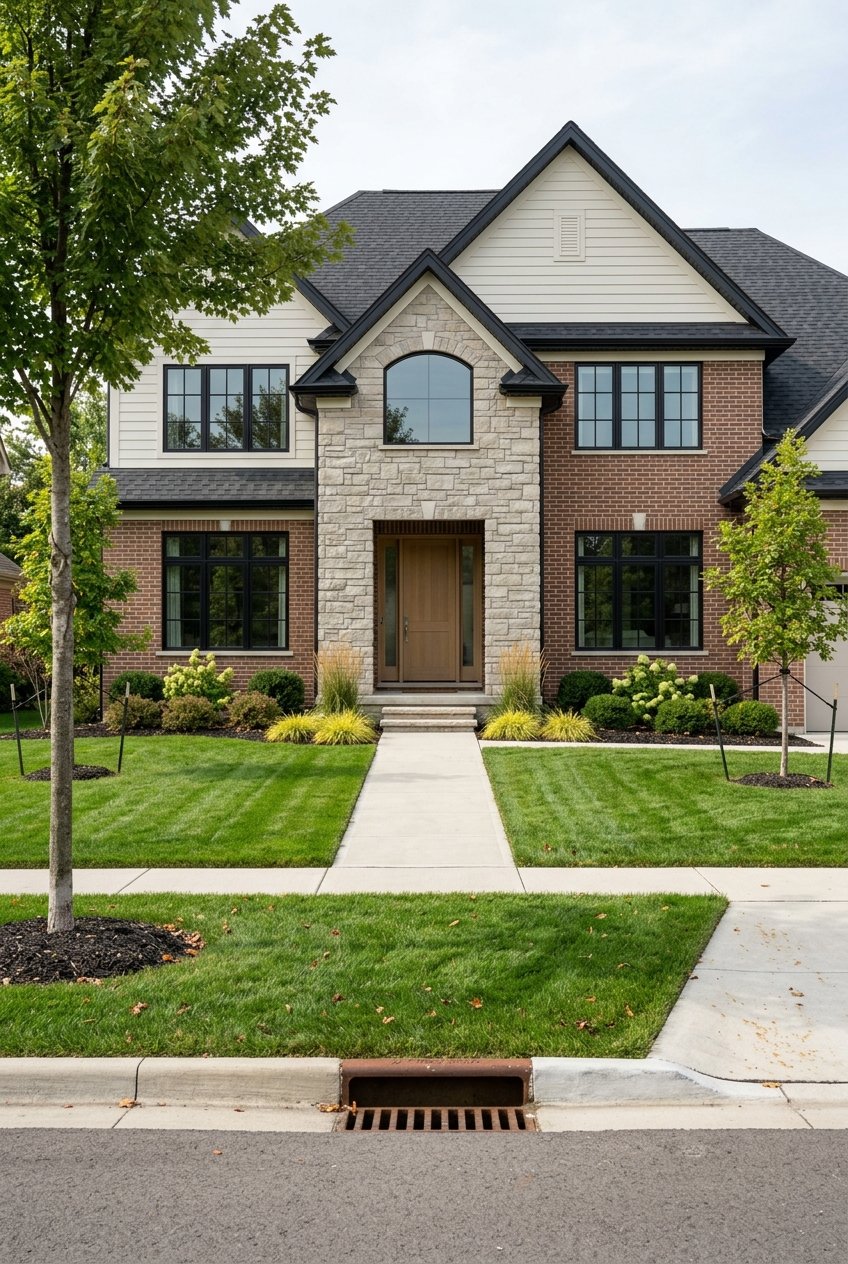
You can love the idea of a brand-new home and still wonder whether an established Pine Township neighborhood might fit your life better. That is a common decision for buyers in the North Hills, especially when you are balancing layout, maintenance, lot size, neighborhood feel, and long-term plans. In Pine Township, the choice matters even more because development is active but limited, and each path offers something distinct. Let’s break down what to weigh before you decide.
Pine Township is a high-owner-occupancy market in Allegheny County, with 14,691 residents, 5,303 housing units, and an 87.1% owner-occupied housing unit rate. The township also reports a median household income of $184,591, which helps explain why many buyers here are comparing move-up options rather than making a purely price-driven decision.
The local housing story is also shaped by supply. Pine Township’s 2024 comprehensive-plan update says the community is approaching buildout, with only 15 parcels over 10 acres remaining and development expected to slow. That means both new construction opportunities and well-positioned resale homes can attract strong interest.
New construction in Pine Township is not one-size-fits-all. The township’s 2024 plan update lists Pine Valley Estates, Village at Pine Phase VII, and Clover Chase as developments previously approved or in process, with expected starts in 2025. Earlier township materials also referenced Laurel Grove, Brookfield Estates, Pinewood Manor, Sunset Ridge, Villas of English Farms, Whitetail Crossing, and Spirit of Pine as active housing plans.
In practical terms, newer communities can range from custom homes on larger homesites to more compact attached or planned developments. Pine’s residential zoning helps explain that range, with districts that allow minimum lot areas from 1 acre in R-1 to 1/2 acre in R-3, while some attached-unit developments follow different lot-width and lot-area rules.
Many buyers are drawn to new construction because it offers a more current living experience right away. In communities like Laurel Grove, newer-home offerings have been marketed around custom design, roughly half-acre lots, wooded backdrops, a clubhouse, pool, walking trails, and other neighborhood amenities.
Other communities show the custom-lot side of the market. Emerald Fields, for example, has been described as a 276-acre development with lots ranging from 0.5 to 2 acres and custom-built homes. Together, these examples show that “new construction” in Pine can mean either an amenity-rich neighborhood setting or a larger-lot custom-home approach.
If you are comparing options, new construction often stands out for a few practical reasons:
For some buyers, that simplicity is the biggest draw. If your goal is a move-in-ready home with fewer immediate projects, a newer property may feel more predictable.
Established Pine Township neighborhoods bring a different kind of value. The township’s history goes back generations, and local planning materials emphasize preserving natural areas, extensive tree cover, and distinctive older structures. For you as a buyer, that often shows up as mature landscaping, settled streetscapes, and a neighborhood feel that has had time to take shape.
Housing styles in more established areas are often more varied as well. Local market guides describe a mix of ranch-style, bi-level, and Colonial Revival homes. That variety can appeal to buyers who want character, but it also means each home may need a closer review for age, layout, and updates.
Established neighborhoods can be especially appealing if you value setting and flexibility. Depending on the home and subdivision, you may find:
The township’s 2017 newsletter offers one useful example of built-out connectivity. A Logan Road sidewalk connector linked about 225 single-family homes in Pine Crest and Langdon Farms to the Pine-Richland school complex, illustrating how some established areas already have practical neighborhood connections in place.
For many buyers, the real choice is not just new versus old. It is also structure versus flexibility.
Pine Township’s zoning code defines a homeowners’ association as the organization that manages common open space and common facilities within a development. The code also notes that common open space can be HOA-owned and governed by restrictive covenants acceptable to the township. In everyday terms, HOA documents can affect exterior changes, maintenance expectations, rental flexibility, and your overall cost of ownership.
A neighborhood with HOA services may be attractive if you want a lower-maintenance lifestyle. In Pine Township, some established or newer amenity-oriented communities include services such as yard maintenance, snow removal, or care of common areas.
That setup can simplify day-to-day life, especially if you travel often, prefer a more managed environment, or do not want to handle exterior upkeep yourself. The tradeoff is that HOA rules may also shape what you can change on the property.
If you want more control over how you use and modify your property, an established neighborhood outside a more structured HOA setting may be a better match. That can matter if you are thinking about future additions, outdoor projects, or simply want fewer community-level restrictions.
Still, autonomy does not mean no oversight. In Pine Township, custom builds and exterior changes run through the township’s Building, Planning, & Zoning Department, which reviews applications, issues permits, and inspects properties for compliance.
This is one of the most overlooked parts of the decision. If you buy an established home thinking you will add a deck, pool, or addition later, township approvals become part of your timeline and budget.
The same is true on the new-construction side. If you are building custom or making changes beyond a base plan, municipal review and builder processes can affect timing. Either way, your decision should account for how much customization you want now and what changes you may want later.
Pine Township’s approach to buildout matters for buyers thinking beyond move-in day. With only a limited number of large parcels remaining and development expected to slow, new construction may become relatively scarcer over time.
That does not guarantee appreciation, and no single home should be purchased on assumption alone. Still, scarcity can be part of the conversation when you compare a new home in a limited pipeline with a resale property in a more established neighborhood.
At the same time, established neighborhoods may offer their own resale appeal because they provide something that cannot be recreated quickly: mature tree cover, settled surroundings, and an existing neighborhood pattern. In Pine Township, both categories can be compelling, but for different reasons.
The right answer usually comes down to how you want to live, not just what looks best on paper. If you value fresh finishes, a contemporary layout, and the appeal of new systems and amenities, new construction may be the stronger fit.
If you care more about lot character, mature landscaping, and a neighborhood that already feels complete, an established area may serve you better. Neither option is universally better. The better choice is the one that matches your priorities, your timeline, and how much flexibility you want after closing.
A focused home search can make that comparison much easier. When you look at new construction and established homes side by side, with attention to zoning, HOA structure, future modification plans, and neighborhood setting, the right path usually becomes clearer.
If you want a private, strategic look at Pine Township options, Michelle Bushee can help you compare new-construction opportunities and established neighborhoods with the local context and careful guidance this decision deserves.
Recognized as talented negotiators and trusted advocates for their clients, our team provides comprehensive real estate assistance for buyers and sellers in Pittsburgh and the surrounding areas.