Selling A Shadyside Historic Home With Confidence
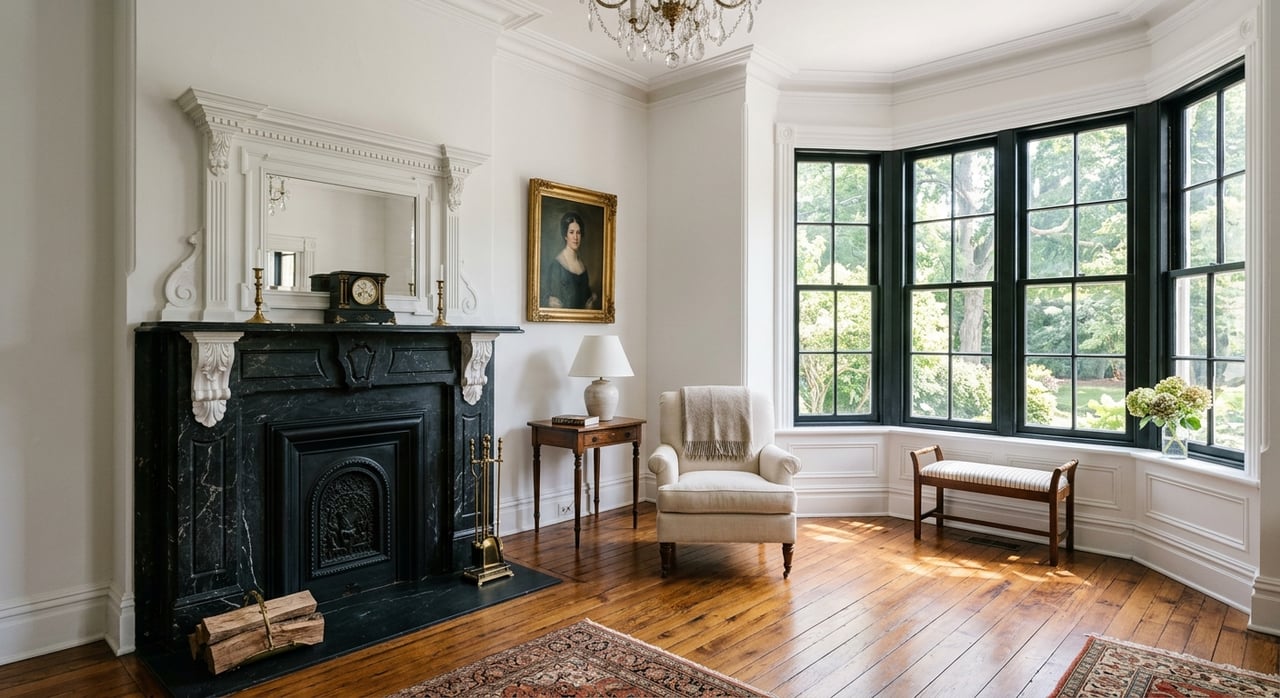
Wondering how to sell a historic home in Shadyside without losing the value that makes it special? You are not just selling square footage. You are selling architecture, craftsmanship, and a place within one of Pittsburgh’s most recognizable neighborhoods. When you understand how pricing, presentation, records, and buyer targeting work together, you can move forward with much more confidence. Let’s dive in.
Shadyside has a distinct identity in Pittsburgh’s East End. It is known for walkable streets, historic homes, restored Victorian mansions, and three separate business districts, all about six miles from Downtown Pittsburgh. That broader setting matters because buyers often respond to both the home itself and the neighborhood story around it.
Some properties in Shadyside also carry added historic significance. City records show the neighborhood includes the locally designated Roslyn Place Historic District, along with individually designated historic landmarks such as Mellon Park and Rodef Shalom. If your home is historic in character or located within a designated area, that can shape both buyer interest and how future exterior changes are reviewed.
Historic homes also attract a more specific buyer pool than many other listings. These properties are often marketed to buyers who appreciate history, architecture, and preservation, rather than only to the closest active buyers in the area. That is one reason a thoughtful, highly curated strategy matters so much.
Pricing a historic home takes more than plugging numbers into a standard formula. Architectural pedigree, rarity, restoration quality, and original details can support stronger value, but they still need to connect to recent comparable sales, condition, size, amenities, location, and current market conditions. In other words, the story of your home matters, but the market still needs proof.
Recent Shadyside market snapshots show why pricing deserves care. One March 2026 report noted a median sale price of $545,000 and 72 days on market, while another showed a median listing price of $394,500, a 96% sale-to-list ratio, and labeled the area a buyer’s market in March and April 2026. These numbers come from different methods and timelines, so they are best viewed as a range, not a single answer.
For you as a seller, the takeaway is simple. Historic homes should not be priced too aggressively just because they are old or beautiful, and they should not be treated like ordinary inventory either. The right strategy balances market evidence with the home’s unique architectural value.
Appraised value is not fixed. It can shift based on comparable sales, updates, condition, location, amenities, market trends, and how well your home stacks up against similar properties. For a historic Shadyside home, that means your restoration work and preserved details may help support value, but documentation and comparable context still matter.
Older homes also tend to bring more buyer questions. Buyers may ask about the age of systems, maintenance history, prior renovations, and whether any work may be subject to historic review. Preparing those answers in advance can make your home feel more credible and less risky.
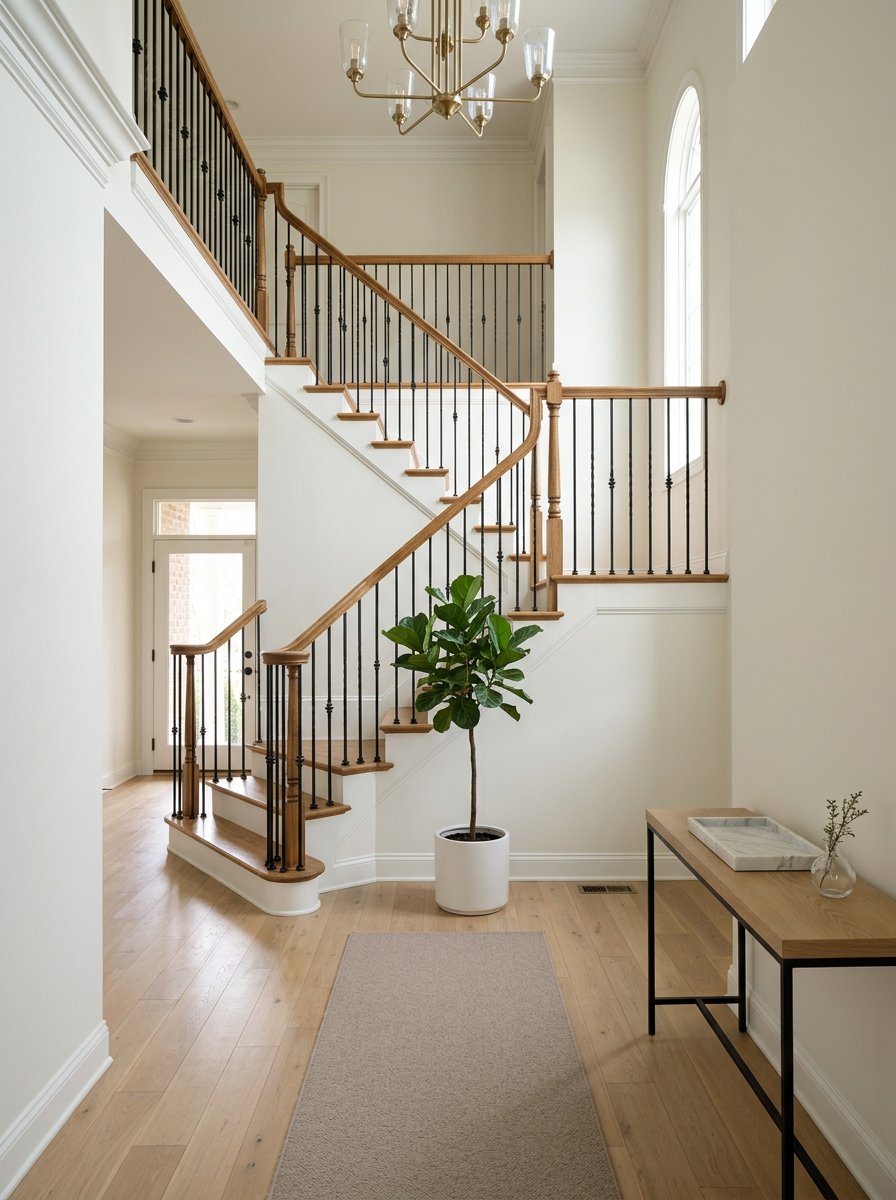
Historic homes shine when buyers can see both their character and their livability. If rooms feel crowded, dark, or overly personalized, buyers may miss the moldings, fireplaces, windows, staircases, or proportions that make the property memorable. The goal is not to erase the home’s age. It is to present it clearly.
Staging can help with that. In NAR’s 2025 staging survey, 83% of buyers’ agents said staging made it easier for buyers to visualize a property. The rooms most commonly staged were the living room, primary bedroom, and dining room, which often happen to be some of the most visually important spaces in a historic home.
For Shadyside sellers, that usually means editing rather than over-styling. You want to declutter enough for original details to stand out while keeping the overall look polished and appropriate to the home’s architecture. A clean, balanced presentation helps buyers imagine daily life there without losing the period feel.
When preparing your home, give special attention to:
If you have records or knowledge about the home’s history, those details can strengthen the presentation too. Past renovations, preserved elements, and carefully considered updates can help buyers understand the home as both a residence and a piece of local architectural history.
Most buyers begin their search online, and historic homes especially depend on strong visual storytelling. High-resolution photos and video tours are not optional extras in this category. They are part of how buyers decide whether your home is worth seeing in person.
That online-first reality is backed by buyer behavior. NAR reports that 81% of buyers rated listing photos as the most useful feature in their online search, and 52% found the home they purchased online. If your images do not capture the home’s scale, light, detail, and layout, you may lose interest before a showing is ever scheduled.
For a Shadyside historic property, photography should do more than document rooms. It should show how original architecture and updated living spaces work together. Video can add another layer by helping buyers experience flow, proportion, and character in a way still photos sometimes cannot.
Confidence at listing time often comes from preparation behind the scenes. Pennsylvania law requires sellers to disclose known material defects before signing the agreement of transfer using the state disclosure form. That includes items such as the roof, basement or crawl space, termites or wood-destroying insects, structural issues, additions or remodeling, water and sewage, plumbing, HVAC, electrical systems, hazardous substances, legal issues affecting title or use, and stormwater facilities.
The law does not require you to investigate beyond what you know, but it does require honesty. You cannot make false or misleading statements, and you cannot leave out a known material defect. If something you disclosed later becomes inaccurate before closing, the buyer must be updated.
For older homes, organized records can make a major difference. A well-kept file of permits, invoices, renovation dates, contractor information, and approval history can help answer buyer questions quickly. It can also reduce uncertainty around work completed over the years.
If your property is in a city-designated historic district, exterior work may require review and approval through Pittsburgh’s Historic Review Commission. In Pittsburgh, external alterations to an individually listed historic property or a property in a designated historic district are subject to review after designation. Because Roslyn Place is a locally designated district in Shadyside, this is an especially important point for some sellers.
This is separate from defect disclosure. In practical terms, buyers may want to understand not only what was repaired or updated, but also whether certain exterior changes required approval. Having those records ready helps keep the transaction moving.
Historic homes are not mass-market listings. They often appeal to buyers who value architecture, craftsmanship, and the experience of living in a home with a story. That is why broad exposure alone is not enough. You need messaging that reaches buyers who will understand what makes the property worth pursuing.
That starts with a clear narrative. Your home should be positioned within the larger identity of Shadyside: tree-lined streets, walkability, established architecture, and distinct neighborhood character. Buyers are often choosing not just a house, but a lifestyle and setting that feels hard to replicate.
It also helps to highlight the combination of preserved character and useful updates. Buyers may love original details, but they also want clarity about condition, function, and past improvements. When those elements are presented together, the property tends to feel both inspiring and manageable.
For many historic homes, this kind of premium marketing can help attract more qualified interest. It is especially useful when the likely buyer may be drawn by architecture and neighborhood character as much as by basic search filters.
Selling a historic home can feel personal. You may have invested years into preserving details, updating systems, and caring for the property in a way that standard pricing models do not fully capture. That is why the process should be measured, informed, and tailored to the home you actually have.
A confident sale usually comes down to a few essentials. Price the home with evidence, prepare it for modern online search behavior, organize your records early, and present its history in a way buyers can understand. When those pieces are aligned, you are in a much stronger position to negotiate from a place of clarity.
If you are thinking about selling a historic home in Shadyside, a discreet, well-planned strategy can help you protect value and reduce avoidable friction. For tailored guidance on pricing, presentation, and market positioning, connect with Michelle Bushee.
Recognized as talented negotiators and trusted advocates for their clients, our team provides comprehensive real estate assistance for buyers and sellers in Pittsburgh and the surrounding areas.