Exploring Bloomfield, Garfield And Friendship’s Distinct Personalities
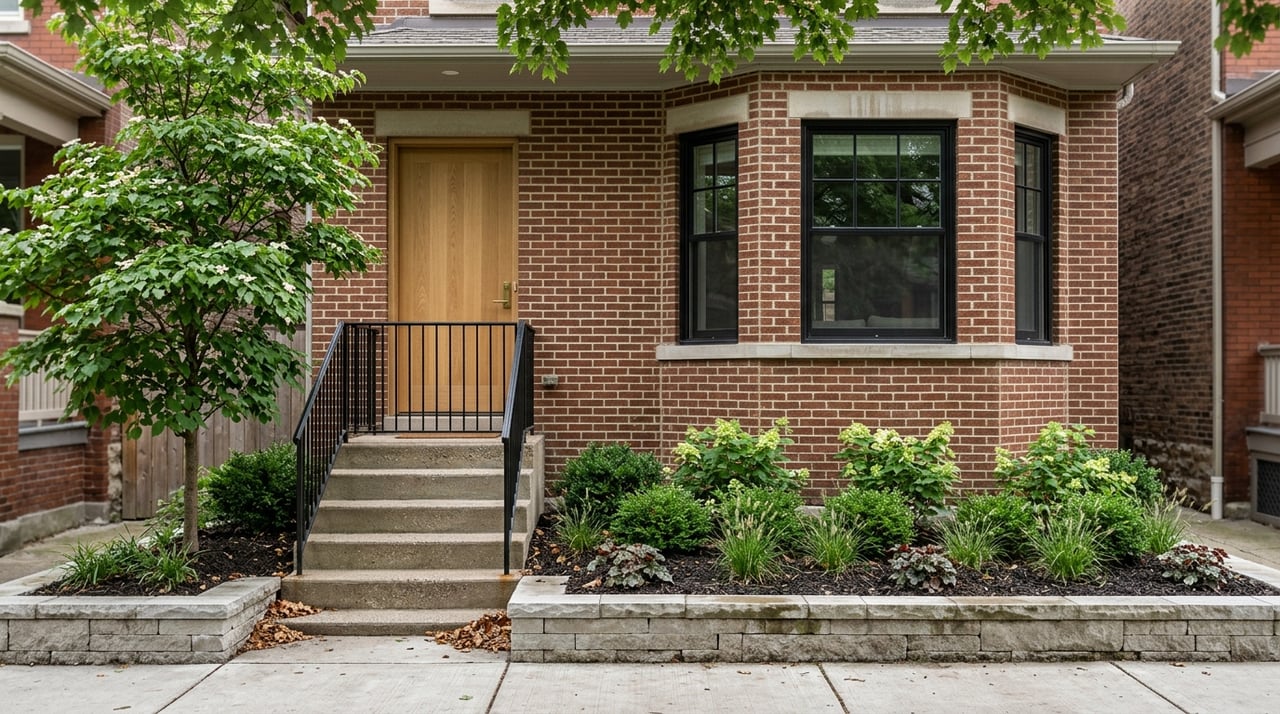
If you are comparing Bloomfield, Garfield, and Friendship, you are not imagining the overlap. These East End neighborhoods sit side by side, share key corridors, and yet feel surprisingly different once you start walking the blocks. For buyers, sellers, and relocators, understanding those differences can help you narrow your search and make a more confident move. Let’s dive in.
Bloomfield, Garfield, and Friendship are part of a connected East End corridor rather than three isolated places. Penn Avenue acts as a major link between Garfield, Friendship, Bloomfield, and nearby Lawrenceville, while Liberty Avenue anchors Bloomfield’s business district.
That physical connection matters because you may use all three neighborhoods in your daily routine even if you only live in one. It also means the comparison is less about distance and more about personality, housing style, and street experience.
Right now, that experience is also evolving. As of March 10, 2026, Phase II of the Penn Avenue reconstruction is underway in Garfield and Friendship and is expected to last about 24 months, with updates to sidewalks, curbs, ADA ramps, signals, lighting, and other public features.
Bloomfield feels the most established of the three. It is known for a busy Liberty Avenue business district, heritage shops, Italian restaurants, groceries, and an everyday rhythm that gives the neighborhood a steady, lived-in feel.
The housing stock supports that impression. Bloomfield includes rowhouses, detached single-family homes, and apartments along narrow, tree-lined streets and alleys, and city analysis places it among Pittsburgh’s denser neighborhoods with a high concentration of rental units.
For you as a buyer, that often translates to a classic in-town experience. You are looking at a neighborhood with strong daily convenience, consistent foot traffic, and a housing pattern that feels urban and established rather than emerging.
Bloomfield also shows clear signs of ongoing demand. The neighborhood has an inclusionary zoning overlay that requires certain larger new construction or major renovation projects with 20 or more units to make 10% of units affordably priced, which signals continued development pressure and active city management around affordability.
If you want an East End neighborhood with the most obvious commercial convenience, Bloomfield stands out. It tends to appeal to buyers who value proximity to daily errands, restaurants, and a strong neighborhood business district.
For sellers, Bloomfield’s appeal often comes down to that established identity. Buyers can quickly understand what the neighborhood offers, which can be helpful when positioning a home in the market.
Garfield has a different energy. It is the most clearly transitional of the three, with a mix of historic rowhouses, mixed-use reinvestment, artist-oriented spaces, and public infrastructure changes that continue to shape the neighborhood.
Penn Avenue is central to Garfield’s identity. The Penn Avenue Arts & Commercial District has grown into a hub for shopping, dining, and art, supported by long-running efforts to help artists reuse vacant buildings and contribute to the corridor’s creative character.
That gives Garfield a street life that feels more arts-led and event-driven than Bloomfield. Recurring events like Unblurred and the Garfield Night Market help reinforce that identity and make the neighborhood feel active in a different way.
Housing in Garfield is also more variable block by block. City documents point to a long history of vacancy, redevelopment efforts, and policy experimentation, including a past accessory dwelling unit pilot that has since expired.
This is often what a neighborhood in transition looks like in real life. You may find compelling architecture, adaptive reuse, and signs of reinvestment, but you also need to evaluate each block on its own terms.
Garfield may be a strong fit if you are comfortable with change and drawn to neighborhoods where creative activity and reinvestment play a visible role. Buyers who appreciate adaptive reuse, mixed-use corridors, and future-oriented public improvements often find Garfield especially interesting.
For sellers, the story in Garfield is often highly property-specific. Condition, block context, and how close a home sits to the Penn Avenue corridor can shape buyer interest in meaningful ways.
Friendship offers a more residential feel. Compared with Bloomfield’s retail activity and Garfield’s corridor energy, Friendship reads as smaller, quieter, and more architecturally concentrated.
The neighborhood is known for Victorian homes, along with Edwardian and Arts & Crafts architecture. Many of its two-story brick homes date to around the turn of the 20th century, and some were converted to multifamily use in the mid-20th century before later returning to single-family use.
That history gives Friendship a distinctive housing identity. Its appeal is less about having a major standalone commercial strip and more about preserved residential character, block-by-block charm, and a naturally limited supply of architecturally notable homes.
Street life here is more community-based than corridor-based. Neighborhood gatherings, house tours, yard sales, and local meeting spaces contribute to the feel, while many daily destinations sit just outside the neighborhood in Bloomfield, Shadyside, East Liberty, and along Penn Avenue.
If you value quiet streets and architectural character, Friendship often rises to the top of the list. It can be especially appealing if you want a residential setting with close access to nearby amenities rather than living directly on a busy business corridor.
For sellers, Friendship’s scarcity can be a real part of the value story. In a smaller neighborhood with a limited number of distinctive homes, details like condition, historic integrity, and exact block position can matter even more.
One of the easiest ways to compare these neighborhoods is to think about where each one feels most alive. In Bloomfield, that tends to be Liberty Avenue and its day-to-day commercial rhythm.
In Garfield, the center of gravity is Penn Avenue, where arts institutions, events, and mixed-use activity shape the neighborhood’s identity. In Friendship, the experience is usually more residential, with the strongest sense of place found on the blocks themselves.
That difference can shape your daily routine more than you might expect. If you want to walk out your door into a busy retail corridor, Bloomfield may feel most intuitive. If you want a creative corridor nearby, Garfield may stand out. If you prefer a quieter residential setting with surrounding amenities a short distance away, Friendship may feel more natural.
The most important current change is the Penn Avenue reconstruction project in Garfield and Friendship. The work is intended to modernize the corridor with improved street design, sidewalks, curb work, ADA ramps, signals, lighting, and placemaking elements.
In the near term, that means your impression of parts of Penn Avenue may be shaped by construction. In the longer term, the goal is a stronger public realm and better walkability along a corridor that already plays a big role in the identity of Garfield and the edge of Friendship.
Another important infrastructure project is the Bloomfield-Friendship Neighborway. This low-stress bicycle route is designed to connect the area to Lower and Central Lawrenceville, North Oakland, and East Liberty, adding another layer of connectivity for residents who want alternatives to driving.
These neighborhoods also benefit from close-in East End access to major employers and institutions. West Penn Hospital is in Bloomfield, UPMC Shadyside is nearby on Centre Avenue, and UPMC Children’s Hospital is on Penn Avenue in Lawrenceville.
That proximity helps explain why the corridor remains attractive to people who want easier access to health care, university, and office centers without living in the city’s busiest core. For many buyers, convenience here is not just about restaurants and shops. It is also about commute patterns and connected city living.
If you want a quick framework, think of the three neighborhoods as points on the same spectrum:
That does not mean one is better than another. It means each neighborhood offers a different version of East End living, and the best fit depends on what matters most to you.
If you are buying, this comparison can help you focus your search faster. If you are selling, it can help clarify how your home should be positioned within the broader East End story.
A well-chosen neighborhood is rarely just about price or square footage. It is about finding the right rhythm, housing style, and long-term fit for how you want to live. If you are weighing Bloomfield, Garfield, or Friendship, a tailored strategy can make the process much clearer. To talk through your goals with a discreet, neighborhood-focused advisor, connect with Michelle Bushee.
Recognized as talented negotiators and trusted advocates for their clients, our team provides comprehensive real estate assistance for buyers and sellers in Pittsburgh and the surrounding areas.