Buying A Renovated Row House In Lawrenceville
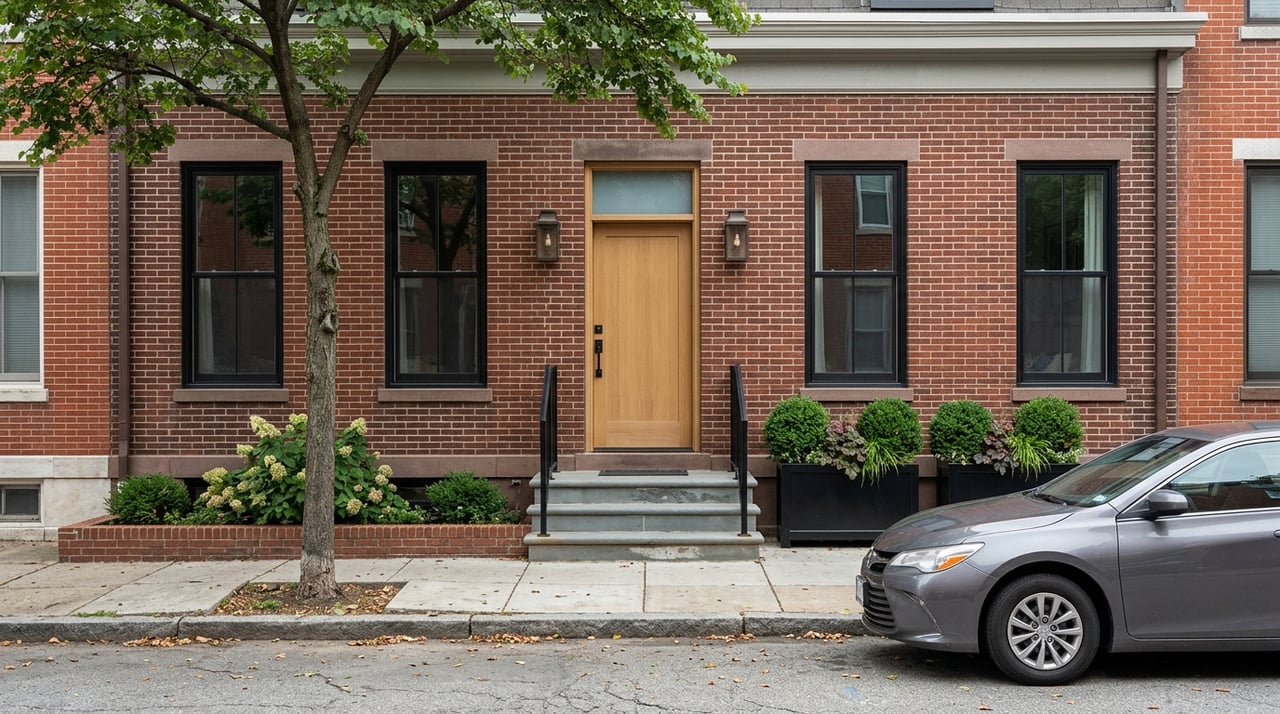
If you are thinking about buying a renovated row house in Lawrenceville, you are probably weighing more than square footage. You are also thinking about style, walkability, parking, and whether the renovation truly matches the price. In a neighborhood known for historic housing, independent businesses, and a lively Butler Street corridor, the right purchase comes down to careful comparison and smart due diligence. Let’s dive in.
Lawrenceville is one of Pittsburgh’s largest neighborhoods and is often recognized for its mix of residential character, dining, shops, and creative energy. According to Visit Pittsburgh’s Lawrenceville neighborhood guide, it is located less than three miles from Downtown and is known for one-of-a-kind businesses, arts, and restaurants.
That matters when you buy here. A renovated row house in Lawrenceville is often a lifestyle purchase as much as a housing purchase. You are not just buying updated finishes. You are buying into a pedestrian-oriented neighborhood with strong historic character and everyday access to local amenities.
Lawrenceville’s housing stock is closely tied to its historic development pattern. The National Register documentation for the Lawrenceville Historic District describes the area as a dense, pedestrian-oriented neighborhood with modestly sized, tightly sited buildings, including many attached homes built between about 1850 and 1940.
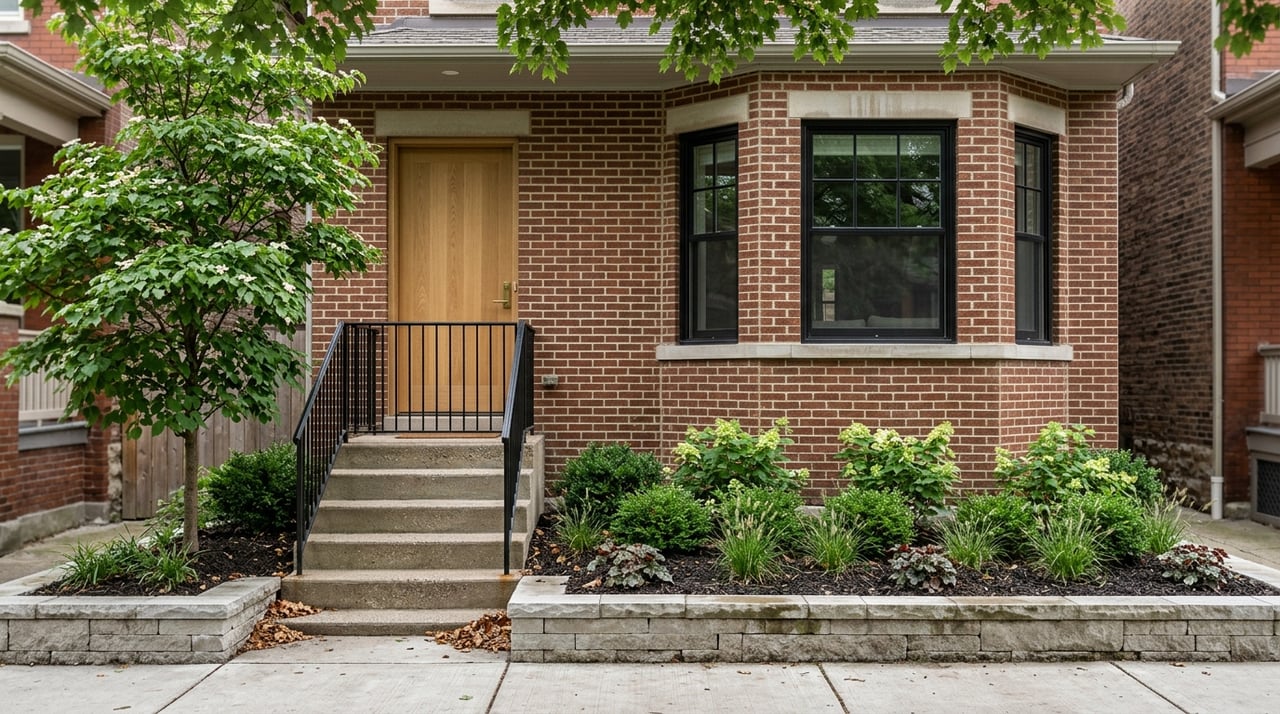
In practical terms, that means most renovated row houses here are vertical homes on narrow lots. Many are two-story or two-and-a-half-story attached houses, usually with less outdoor space than a suburban property. If you are moving from a detached home or a wider floor plan, this shift in layout is important to understand early.
One of the biggest surprises for buyers is how different two renovated row houses can feel, even when they seem similar online. Recent sales in Central and Lower Lawrenceville show homes ranging from roughly 800 to more than 2,500 square feet, with two-bedroom layouts at the smaller end and larger three-bedroom homes offering multiple baths and more flexible living space, according to Redfin’s Central Lawrenceville housing market data.
That variation affects value. A renovated row house with thoughtful storage, a practical layout, and stronger finish quality may compete well against a larger home that feels less functional. In Lawrenceville, useful space and workmanship often matter as much as raw square footage.
Price points in Lawrenceville cover a broad range. Recent sold examples cited in Redfin market data include a 2-bedroom, 1-bath, 832-square-foot home at $220,000, a 2-bedroom, 2-bath, 1,008-square-foot home at $300,000, a 3-bedroom, 3.5-bath, 2,544-square-foot home at $421,500, and a 3-bedroom, 4-bath, 2,048-square-foot home at $572,000.
The takeaway is simple: renovated row houses do not sit in one narrow price band. Price often reflects a mix of location within Lawrenceville, renovation quality, layout efficiency, and whether the home offers features like updated baths or parking.
Not every part of Lawrenceville trades the same way. Redfin market data for Lawrenceville shows that in March 2026, Central Lawrenceville had a median sale price of $315,000, Lower Lawrenceville had a median sale price of $273,500, and Upper Lawrenceville had a median sale price of $282,500.
The same data shows differences in market pace and competitiveness. Central Lawrenceville was described as somewhat competitive, while Lower and Upper Lawrenceville were described as not very competitive. For you, that means block-by-block context matters, and a home in one section of Lawrenceville may deserve a different pricing strategy than a similar-looking home elsewhere in the neighborhood.
Many buyers compare Lawrenceville with Shadyside because both offer an urban lifestyle with strong walkability. The price difference is meaningful, though. Redfin’s Shadyside housing market page shows a median sale price of $545,000 in March 2026, notably above Lawrenceville’s recent median sale prices.
Walkability is also strong in both areas, though slightly higher in Shadyside. Redfin reports Walk Scores of 86 for Lower Lawrenceville, 84 for Central Lawrenceville, and 74 for Upper Lawrenceville, while Shadyside is listed at 91. If you want a similar city lifestyle at a lower entry point, Lawrenceville may offer that balance, especially if you value historic row-house character and do not mind more variation from one block to the next.
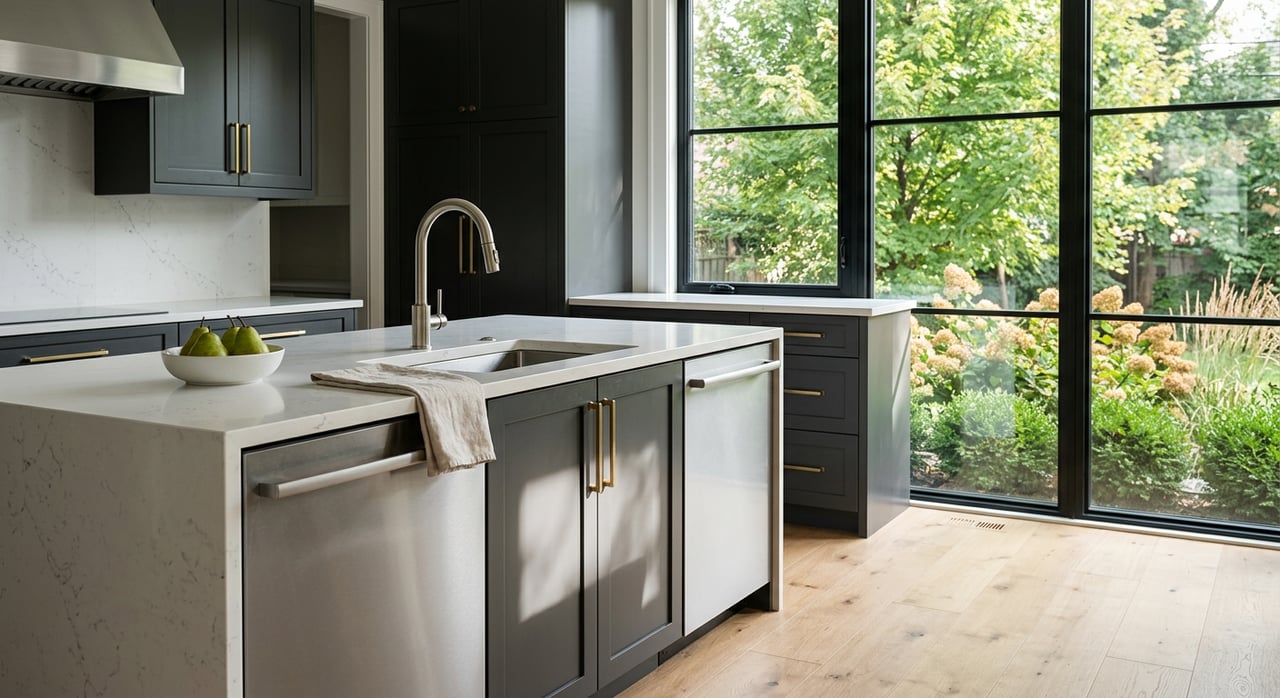
A beautiful kitchen can catch your eye, but Lawrenceville buyers should look deeper. Because so much of the neighborhood’s housing stock is older, the most important questions usually involve workmanship, maintenance, and whether updates were done thoughtfully.
When you tour a renovated row house, pay close attention to:
In a neighborhood with historic housing, good renovation work should support the home’s long-term function, not just its first impression.
Lawrenceville’s historic identity is a major part of its appeal, but it can also affect future projects. The City of Pittsburgh explains that exterior work on city-designated historic districts or landmarks requires historic review and a Certificate of Appropriateness, with more extensive review required for additions, demolition, and new construction. You can review the city’s process on the Historic Preservation development review page.
If you are planning to change windows, alter the facade, build an addition, or make other exterior changes, verify the property’s designation status early. This step can help you avoid surprises after closing and shape a more realistic renovation budget.
Parking is one of the most important practical issues in Lawrenceville. The city’s Residential Parking Permit information makes clear that permit programs are intended to preserve resident parking near commercial areas, but they do not guarantee a parking space on a given street.
That is especially important if the row house does not include off-street parking. You will want to evaluate the exact block, nearby permit zones, evening demand, and guest parking realities. Butler Street also has extended evening and weekend paid parking enforcement in certain areas, so day-to-day convenience may look different from what a quick showing suggests.
Most individual row-house buyers will focus on the home itself, but it is also smart to understand whether a property is part of a broader project. Lawrenceville falls within Pittsburgh’s Inclusionary Zoning overlay district, which the city says applies to new or renovated developments of 20 or more units. You can learn more through the city’s Inclusionary Zoning overview.
For a typical single renovated row house, this may not change much. Still, if you are buying in a conversion or part of a larger redevelopment, it is worth confirming how the project is structured and whether any broader rules apply.
A renovated row house can be an excellent fit in Lawrenceville, but the best purchases usually come from asking sharper questions early. Before you move forward, consider asking:
These are the kinds of details that protect your investment and help you compare properties on more than surface appeal.
Buying in Lawrenceville can be rewarding, but it benefits from a careful, local approach. In a neighborhood where value is shaped by block, finish quality, parking, historic context, and lifestyle access, a polished listing rarely tells the full story.
That is where thoughtful representation matters. If you want help evaluating renovated row houses in Lawrenceville with a more strategic eye, Michelle Bushée offers discreet, curated buyer guidance grounded in neighborhood expertise, careful analysis, and strong contract advocacy.
Recognized as talented negotiators and trusted advocates for their clients, our team provides comprehensive real estate assistance for buyers and sellers in Pittsburgh and the surrounding areas.